

Dumpster Rental
Cleaning out a garage, tearing out a kitchen, or replacing a roof creates far more trash than your weekly curbside bin can handle. Hauling it to the dump yourself can take dozens of trips. That is why so many homeowners and contractors choose to rent a dumpster. A large container is dropped off at your property, you fill it at your own pace, and the company hauls it away when you are done.
This guide explains how the process works, which sizes fit which jobs, what it costs, what you can and can’t throw away, how permits work, and how to avoid surprise fees. Whether you need a small 10 yard dumpster for a bathroom remodel or a 40-yard container for construction debris removal, you’ll find what you need to make a smart choice.
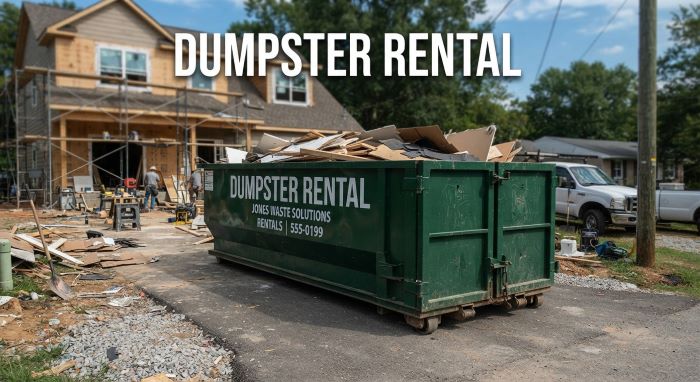
What Is Dumpster Rental and How Does It Work?
A dumpster rental is a service in which a waste company delivers a large container to your home or job site for a set period. You load your trash, junk, or debris into it, and the company picks it up and takes it to a landfill, transfer station, or recycling center.
Most residential and construction rentals use roll-off dumpsters. These are open-top, rectangular steel containers that a truck “rolls off” onto your driveway or lot. They are measured in cubic yards, which tells you how much volume they hold.
How to Rent a Dumpster for the First Time
The process is simple:
- Estimate your waste. Think about the size of your project and the type of debris.
- Choose a size. Pick a container that fits your project with a little room to spare.
- Get quotes. Call or book online with two or three local companies.
- Check permit rules. If the bin will sit on a public street, you may need a city permit.
- Schedule delivery. Pick a date and tell the company where to place it.
- Fill it up. Spread the load and stay below the fill line.
- Schedule pickup. Call or book online when you’re done, or wait for the scheduled end date.
What Is Included in the Service?
A typical quote covers:
- Delivery and pickup
- A set rental period, often 7 to 10 days
- A weight allowance, often 1 to 5 tons depending on size
- Disposal fees at the landfill or transfer station
Extras such as longer rentals, overweight loads, or special items often cost more.
Types of Dumpsters
| Type | Common use |
|---|---|
| Roll-off dumpster | Home cleanouts, remodels, construction, roofing |
| Front-load (commercial) dumpster | Ongoing trash pickup for businesses and apartments |
| Rear-load dumpster | Tight spaces such as alleys and older buildings |
| Compactor | High-volume businesses like grocery stores |
| Bag dumpster | Small jobs; a heavy-duty bag picked up by truck |
| Mini or residential bin | Driveway-friendly bins for small home projects |
Common Dumpster Sizes and Their Uses
Roll-off dumpsters come in standard sizes. One cubic yard is about the size of a washing machine, so a 10-yard dumpster holds about the contents of 10 washing machines.
10 Yard Dumpster: Best Uses and Capacity
A 10 yard dumpster is about 12 feet long, 8 feet wide, and 3.5 feet tall. It holds about 3 to 4 pickup truck loads.
Best for:
- Small bathroom or kitchen remodels
- Garage or basement cleanouts
- Small roofing jobs
- Heavy debris such as dirt, concrete, or brick (many companies only allow heavy materials in small bins)
15 Yard Dumpster: When Is It Enough?
A 15 yard dumpster is about 16 feet long, 8 feet wide, and 4 feet tall. It holds about 4 to 6 pickup truck loads.
Best for:
- One-room renovations
- Deck removal
- Medium yard cleanups
- Small home cleanouts
A 15-yard bin is a good middle option when a 10-yard feels too small but a 20-yard feels like too much.
20-Yard Dumpster: A Popular Choice for Home Projects
A 20-yard dumpster is about 22 feet long, 8 feet wide, and 4 feet tall, and holds about 6 to 8 pickup truck loads. It is the most popular size for homeowners.
Best for:
- Whole-house cleanouts
- Flooring or carpet removal across several rooms
- Medium roofing jobs
- Large furniture and appliance removal
30-Yard Dumpster: Ideal for Large Renovations
A 30-yard dumpster is about 22 feet long, 8 feet wide, and 6 feet tall, and holds about 9 to 12 pickup truck loads.
Best for:
- Major home remodels
- New home construction
- Large additions
- Estate cleanouts
40-Yard Dumpster: Handling Major Construction Waste
A 40-yard dumpster is about 22 feet long, 8 feet wide, and 8 feet tall, and holds about 12 to 16 pickup truck loads.
Best for:
- Large commercial jobs
- Full building demolition
- Major construction debris removal
- Big cleanouts of warehouses or offices
How to Choose the Right Size
| Project | Suggested size |
|---|---|
| Bathroom remodel | 10 yard |
| Garage cleanout | 10 to 15 yard |
| Deck removal | 15 to 20 yard |
| Kitchen remodel | 15 to 20 yard |
| Whole-house cleanout | 20 to 30 yard |
| Roof replacement | 10 to 30 yard, based on roof size and layers |
| Home addition or new build | 30 to 40 yard |
| Commercial demolition | 40 yard |
How to Estimate the Amount of Waste You Need to Remove
A simple rule: count how many pickup truck loads you think you’ll fill, then multiply by about 2.5 to 3 to get cubic yards. When in doubt, go one size up. Renting a bit larger bin often costs less than paying for a second haul.
What Size Dumpster Do I Need for a House Cleanout?
For most single-family homes, a 20-yard bin works well. Smaller condos or apartments may need only a 10- or 15-yard dumpster. Large homes with full attics, basements, and garages may need a 30-yard container.
How Much Does It Cost to Rent a Dumpster?
Prices vary by city, size, and debris type. According to national provider Dumpsters.com, typical price ranges are:
| Size | Typical price range | Average cost |
|---|---|---|
| 10 yard | $329 to $1,307 | About $586 |
| 15 yard | $306 to $1,334 | About $609 |
| 20 yard | $374 to $1,362 | About $679 |
| 30 yard | $450 to $1,460 | About $809 |
| 40 yard | $516 to $1,613 | About $906 |
These prices often include delivery, pickup, a 7- to 10-day rental period, and a set weight limit. Always confirm what your quote includes.
What Factors Affect Prices?
- Location. Prices are higher in big cities and areas with high landfill fees.
- Size. Larger bins cost more, though the cost per yard often drops.
- Debris type. Heavy materials like concrete, dirt, and roofing shingles may cost more or need special bins.
- Weight. Going over the weight limit adds per-ton fees.
- Rental length. Extra days often cost $5 to $15 or more each.
- Permits. Street placement may require a city permit.
- Demand. Spring and summer are busy seasons, so prices may rise.
Flat-Rate vs. Variable Pricing
| Pricing model | How it works | Best for |
|---|---|---|
| Flat rate | One price covers delivery, pickup, rental period, and a weight allowance | Most homeowners; easy to budget |
| Variable rate | A base price plus charges for actual weight, days, and fees | Contractors with unpredictable loads |
Flat-rate pricing makes costs easier to predict, while variable pricing can save money if your load is light.
Are Prices Different for Businesses?
Yes. Businesses that need ongoing trash pickup tend to sign service contracts for front-load dumpsters with weekly or daily pickups. Contractors renting roll-offs for job sites may get volume discounts or account pricing.
Is a Dumpster Rental Worth It for Small Projects?
For very small jobs, a bag dumpster or a junk removal service may be cheaper. But if you have more than two or three pickup loads, a 10-yard bin is often the most cost-effective choice.
What Can and Can’t Go in a Rental Dumpster?
Items You Can Throw Away in Most Cases
- Household junk and furniture
- Clothing, toys, and general trash
- Wood, drywall, and flooring
- Cabinets, countertops, and fixtures
- Roofing shingles (often with weight limits)
- Yard waste such as branches and leaves (in many areas)
- Concrete, brick, and dirt (often in small bins only)
- Appliances without refrigerants (some companies charge extra)
Items That Are Not Allowed in Most Cases
- Hazardous waste such as chemicals, solvents, and pesticides
- Wet paint (dried latex paint is often allowed)
- Motor oil, gasoline, and other fuels
- Car batteries and lithium batteries
- Tires
- Propane tanks
- Asbestos
- Medical waste
- Electronics in some states, due to e-waste laws
- Refrigerators and air conditioners with refrigerant, unless drained by a pro
Rules vary by company and state. Ask your provider for a full list, since banned items can lead to fines or extra fees.
How Long Can You Keep a Rental Dumpster?
Most standard rentals last 7 to 10 days. Some companies offer shorter rentals of 3 to 5 days, and many allow extensions for a daily fee.
Can You Rent a Dumpster for a Single Day?
Some companies offer one-day or weekend rentals, which can be handy for quick cleanouts. Prices for short rentals are often close to standard rentals, since delivery and pickup make up much of the cost.
How to Schedule Pickup and Removal
When you’re done, contact the company by phone or online to schedule pickup. Many companies pick up within one or two business days. Make sure the bin is accessible, with no cars blocking it and nothing sticking out over the top.
What Happens After Your Rental Dumpster Is Picked Up?
The truck hauls the container to a transfer station, landfill, or recycling facility. Many companies sort materials to recycle metal, wood, concrete, and cardboard. You’ll receive a final bill if there are any extra charges, such as overage fees.
Residential vs. Commercial Projects
Residential Use
Homeowners rent dumpsters for:
- Spring cleaning and decluttering
- Moving and estate cleanouts
- Kitchen, bath, and basement remodels
- Landscaping and yard cleanups
- Roof replacements
- Storm cleanup
Dumpster Rental for Home Renovation Projects
Remodels create a mix of drywall, wood, tile, cabinets, and flooring. A 15- or 20-yard bin works for most single-room renovations, while whole-home remodels may need a 30-yard container.
How to Rent a Dumpster for Roofing and Construction Projects
Roofing shingles are heavy. A single layer on an average roof can weigh several tons. Ask about weight limits and consider a smaller, heavy-debris bin. For new construction or major additions, 30- and 40-yard containers are common, and contractors often swap full bins for empty ones during the project.
Commercial Use
Businesses use dumpsters for daily trash, recycling, and large projects. Commercial customers often need permanent front-load bins with scheduled pickups, plus roll-offs for renovations or construction debris removal.
Permits, Placement, and Delivery Prep
Do You Need a Permit?
If the dumpster sits on your private property, such as a driveway, you don’t need a permit in most cases. If it sits on a public street, sidewalk, or alley, many cities require one. Permit fees often range from $20 to $150 or more, depending on the city. Homeowners’ associations may also have their own rules, so check before you book.
Where Should You Place a Rental Dumpster?
Choose a flat, firm spot with enough room for the truck to drop the bin. A roll-off truck needs a clear path about 10 to 12 feet wide and room overhead, free of low wires and branches. Driveways are the most common spot for home projects.
Driveway Protection and Placement Considerations
Heavy bins can scratch or crack driveways. To protect yours:
- Ask the company to place wooden boards or plywood under the bin.
- Avoid placing it on soft grass or fresh asphalt.
- Keep it away from septic tanks and sprinkler heads.
Some companies, such as Bin There Dump That, are known for residential-friendly bins and driveway protection.
How to Prepare for Delivery
- Clear the area of cars, toys, and debris.
- Mark the spot with chalk or cones.
- Move low-hanging branches if possible.
- Be home or leave clear instructions for the driver.
How to Load a Dumpster the Smart Way
- Start with flat, heavy items such as drywall, doors, and plywood at the bottom.
- Break down furniture to save space.
- Fill gaps with smaller items.
- Spread weight from front to back.
- Stay below the top edge. Overfilled bins can’t be hauled with safety.
Dumpster Rental vs. Junk Removal
| Feature | Rental dumpster | Junk removal service |
|---|---|---|
| Who does the work | You load it | A crew loads for you |
| Time frame | Several days | One visit |
| Best for | Ongoing projects, remodels, large volumes | Quick cleanouts, heavy furniture, small loads |
| Cost | Often cheaper for large jobs | Often cheaper for small jobs |
| Flexibility | Fill at your own pace | Scheduled pickup only |
Choose a dumpster if you have a big project and can do the loading yourself. Choose junk removal if you want someone else to do the lifting or have only a few items.
How to Avoid Extra Fees and Save Money
Tips for Saving Money
- Get several quotes and compare what each includes.
- Choose the right size. Too small means a second haul; too big means paying for unused space.
- Book early, above all in spring and summer.
- Keep heavy debris separate to avoid weight fees.
- Donate or sell usable items before tossing them.
- Recycle metal and cardboard on your own when possible.
- Plan your project so you finish within the rental period.
What Is the Cheapest Way to Rent a Dumpster?
Book the smallest size that fits your job, choose a flat-rate quote with a generous weight limit, avoid extensions, and compare at least three local companies. For very small jobs, a bag dumpster can be the cheapest option.
Common Mistakes to Avoid
- Underestimating the amount of debris
- Overfilling the bin above the top edge
- Throwing away banned items
- Forgetting to check permit rules
- Placing the bin where it blocks traffic or damages surfaces
- Not asking about weight limits
- Missing the scheduled pickup date
How to Find a Reliable Company
Look for a provider with:
- Clear, upfront pricing with no hidden fees.
- Good online reviews on Google, Yelp, or the Better Business Bureau.
- On-time delivery and pickup.
- Proper licensing and insurance.
- Helpful customer service that answers questions about sizes and rules.
National and Local Options
You can choose national booking services, large waste companies, or local haulers. One well-known residential brand is Bin There Dump That, a franchise founded in 2001 and based in Mississauga, Ontario. It has more than 240 franchise locations across the US and Canada and is known for compact, driveway-friendly bins and a focus on customer service. Local independent haulers can also offer competitive prices and flexible service.
Common Questions
How much does a 10-yard dumpster rental cost?
Prices often range from about $329 to $1,307, with an average near $586, depending on location and weight.
How much does a 20-yard dumpster rental cost?
Prices often range from about $374 to $1,362, with an average near $679.
Can I put a dumpster on the street?
Yes, but you’ll likely need a city permit. Check with your local public works department.
How heavy can I load a dumpster?
Weight limits often range from 1 to 5 tons, depending on size. Ask your provider for exact limits.
Can I mix different types of waste?
In most cases, yes, for general debris. Heavy materials like concrete or dirt may need a separate bin.
What if I need the dumpster longer?
Most companies allow extensions for a daily fee. Call before your rental ends to avoid penalties.
Is a dumpster rental tax-deductible?
For businesses and rental property owners, waste removal may be a deductible expense. Homeowners should check with a tax professional.
Key Takeaways
- A dumpster rental lets you fill a large container at your own pace while the company handles delivery, pickup, and disposal.
- Common sizes range from 10 to 40 cubic yards, with 20 yards the most popular for home projects.
- Average costs range from about $586 for a 10-yard to about $906 for a 40-yard, depending on location.
- Most rentals last 7 to 10 days and include a weight limit of 1 to 5 tons.
- Hazardous waste, tires, batteries, and wet paint are not allowed in most cases.
- Street placement often requires a permit, while driveway placement does not in most cases.
- Choosing the right size, avoiding banned items, and staying within weight limits help prevent extra fees.
- Bin There Dump That is one well-known residential option, with more than 240 locations in the US and Canada.