

Best Humita en Chala Near Me: Finding South American Corn Tamale
Humita en chala is street food elevated to comfort. Fresh corn, cheese, and spices wrapped in a corn husk and steamed until fragrant. It’s simple enough that a home cook can make it on a weeknight, yet satisfying enough that it’s served at special occasions. The corn sweetness, the melted cheese, and the fragrance of the corn husk create something that tastes like South America itself.
Finding the best humita en chala near me requires knowing where to look. Most people outside South America encounter it rarely. When they do, quality varies wildly. Some versions use canned corn. Others skip the cheese or use cheap filling. Real humita en chala uses fresh corn and quality ingredients that take time to assemble.
If you want authentic humita en chala near me, you need to understand what makes it work. The corn needs to be fresh and properly processed. The filling needs balance. The wrapping technique matters. This guide shows you how to find and evaluate genuine humita en chala.
Understanding Authentic Humita en Chala
Before hunting for humita en chala near me, know what you’re searching for.
Humita en chala is a South American dish, particularly prevalent in Argentina, Peru, Ecuador, and Chile. The name comes from the Quechua language. “Humita” refers to the dish itself, and “chala” means corn husk. Fresh corn husk is essential to authentic humita en chala.
The filling is the heart of the dish. Fresh corn kernels are removed from the cob and ground or chopped into a paste-like consistency. This corn mixture is combined with cheese, typically a mild cheese like queso fresco or similar. Some recipes add onion that’s been cooked until soft. Some include green chilies for slight heat. Seasoning is simple: salt, pepper, and sometimes a touch of cumin.
The corn husks come from fresh corn. They’re cleaned and softened, then used as wrapping. The husks give humita en chala its distinctive appearance and contribute subtle corn flavor during steaming.
Authentic humita en chala is steamed, never baked. Steaming cooks the filling gently and keeps the corn husk flexible. The steam creates a tender, almost fluffy texture inside while the corn husk stays pliable.
The finished humita en chala should be tender and moist. The corn filling should taste fresh and sweet with cheese melted throughout. The corn husk should be soft enough to eat if desired, though some people discard it after steaming.
The best humita en chala near me tastes fresh and seasonal. It celebrates corn as the main ingredient rather than using it as filler for other components.
Where to Find the Best Humita en Chala Near Me
Finding authentic humita en chala near me requires knowing which establishments make it properly.
South American restaurants are your best starting point. Argentine, Peruvian, Ecuadorian, or Chilean restaurants should have humita en chala. Call and ask if they serve it and whether it’s made fresh or purchased. Restaurants that make humita en chala in-house will proudly mention it. Places buying pre-made might be reluctant to discuss sourcing.
Latin American food shops and delis sometimes make humita en chala daily. These operations often employ cooks trained in traditional methods. The humita en chala gets made fresh and customers eat it quickly, so quality remains high.
Street vendors and food carts in South American neighborhoods often sell excellent humita en chala. These vendors make it fresh throughout the day. The high turnover means you get warm, recently-made humita en chala. Quality is usually superior to restaurants.
Farmers markets in areas with significant South American populations frequently feature humita en chala vendors. These are often home cooks or small operators with loyal customer bases. They make humita en chala from scratch with quality ingredients.
Specialty Latin American grocery stores sometimes have fresh humita en chala made on-site or sourced from local makers. Ask which days fresh batches arrive. Some stores receive deliveries specific times each week.
Family operations that have been making humita en chala for years represent the highest quality. Seek these out if you find them. Long-standing operations refine recipes over time and source consistent, quality corn.
Avoid mass-market chains and bakeries without South American focus. They either don’t carry humita en chala or make simplified versions using canned corn and minimal filling.
What to Expect From Authentic Humita en Chala
Knowing what proper humita en chala should look and taste like prevents disappointment.
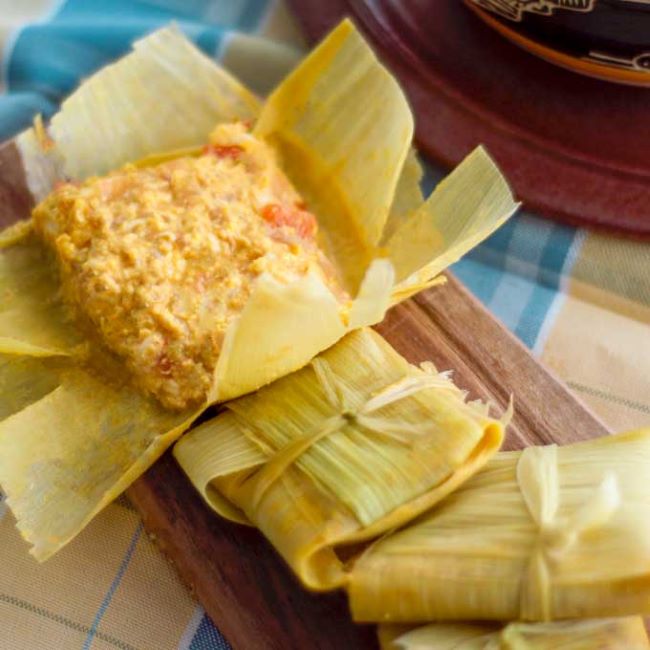
The appearance should show a corn husk wrapped parcel. The husk should be pale yellow or slightly darkened from steaming. It shouldn’t look burnt or overly dark. The husk should be intact with no tears or holes where filling leaked.
When unwrapped, the filling should be visible and substantial. The corn should look like ground corn, not a thin layer of mixture. Cheese should be visible throughout. If cheese is barely visible, corners were cut.
The texture should be tender and slightly moist. The corn filling should be soft enough to eat easily. It shouldn’t be dry or crumbly. It shouldn’t be mushy either. The right texture is that of cooked fresh corn that’s tender but maintains some substance.
The aroma when opened should include fresh corn and mild cheese. It should smell like the corn husks contributed flavor. Humita en chala should smell fragrant and appetizing.
The color inside should be pale yellow or cream-colored depending on the corn variety used. The filling shouldn’t look grey or discolored. Fresh ingredients create bright color.
When you taste authentic humita en chala, the corn flavor should be primary. The sweetness of fresh corn should come through. Cheese should be present but not dominant. If included, onion should be soft and sweet, not crunchy. The overall flavor should be simple and clean, not complicated by excessive spicing.
The corn husk should be soft and pliable. Some people eat it along with the filling. Others discard it. Either approach works, though the husk is edible if cooked properly.
Temperature matters. Humita en chala should arrive warm or at least room temperature. Cold humita en chala loses its appeal as the filling becomes dense.
Identifying Poor Humita en Chala
Red flags help you spot when humita en chala near me isn’t properly made.
Canned corn filling indicates shortcuts. Fresh humita en chala uses fresh corn kernels. Canned corn tastes noticeably different and inferior. The texture is also wrong.
Thin filling with minimal cheese means the recipe was simplified. Good humita en chala en chala has substantial filling with visible cheese throughout.
Dry, crumbly texture indicates the filling wasn’t moist enough or the steaming was insufficient. Proper humita en chala is moist but not soggy.
Burnt or darkened corn husks suggest oversteaming or high temperature. The husk should be softened by steam, not burnt by excessive heat.
Torn or leaking husks indicate careless wrapping. While the contents might be fine, loose wrapping suggests the maker wasn’t paying attention.
Stale aroma or off-flavors mean the humita en chala is old. Fresh humita en chala has clean corn aroma. Stale versions smell musty or unpleasant.
Hard, crunchy onion indicates undercooked or raw onion in the filling. Onion should be soft and sweet if included.
Bland flavor suggests underseasoning or using poor quality corn. Good humita en chala has noticeable corn flavor without excessive spicing.
Mushy texture means overcooking. Proper humita en chala is tender but maintains its structure.
Preparation Methods That Matter
Understanding how humita en chala should be made helps you identify quality work.
Fresh corn selection is critical. Humita en chala requires fresh corn in season. The corn should be sweet with tender kernels. Frozen corn works if fresh isn’t available, but fresh is substantially better.
Corn husks are removed carefully from the corn and set aside. They’re wiped clean and softened by soaking briefly in warm water if dried, or used directly if fresh.
The corn kernels are removed from the cob by slicing them off carefully. Some traditional preparations involve grinding the corn by hand or with a mortar and pestle. Modern cooks sometimes use a food processor, though this can create inconsistent texture.
The corn mixture is combined with cheese, which is grated or crumbled depending on type. Some recipes cook onion separately until very soft before adding to the mixture. Green chilies might be added at this stage.
Seasoning happens carefully. Salt is critical because it brings out corn sweetness. Pepper and sometimes cumin are added to taste.
The filling is spooned onto softened corn husks. The husks are folded to enclose the filling. The wrapping creates a secure parcel that can be stacked in a steamer.
Steaming happens in a steamer basket or pot with water below. The humita en chala steams for 20-30 minutes depending on size. The steaming creates heat that cooks the filling gently and creates the distinctive texture.
Some recipes tie the husks with strips of corn husk or kitchen twine to keep them secure. Others fold them so they stay closed naturally.
Regional Variations of Humita en Chala
Humita en chala varies by region and family tradition.
Argentine versions are particularly creamy, often made with more cheese and sometimes cream or milk added to the corn mixture. Argentine humita en chala near me tends toward richness.
Peruvian versions sometimes include more spicing and might use different chilies. Some add mint or other herbs. Peruvian humita en chala can be slightly more complex in flavor.
Ecuadorian versions sometimes include vegetables beyond corn and cheese. Some add potatoes or other ingredients. Ecuadorian approaches vary more widely.
Chilean versions tend toward simplicity with focus on quality corn and mild cheese. They represent a more straightforward approach.
Family recipes create unique versions. A humita en chala made according to one family’s recipe might differ from another’s approach. Both can be excellent if made with fresh ingredients and care.
Getting the Best Humita en Chala Experience
Practical steps help you find and enjoy the best humita en chala near me.
Visit during corn season when fresh corn is available. Humita en chala made during peak corn season tastes best because the corn is sweetest.
Ask vendors or restaurants how recently the humita en chala was made. If made that morning or day, grab one. Humita en chala more than a day old loses moisture and appeal.
Call ahead to confirm availability. Humita en chala might be seasonal or only available certain days. Knowing prevents wasted trips.
Ask about sourcing. Where does the corn come from? Is cheese made locally or imported? Do they use fresh corn or frozen? Passionate vendors answer these questions enthusiastically.
Visit street vendors and farmers markets for the freshest humita en chala near me. These vendors make it throughout the day, so you get the warmest, freshest product.
Eat humita en chala warm or at room temperature. Avoid eating it cold if possible, as temperature affects texture significantly.
Pair it with a simple salad or fresh fruit. Humita en chala is substantial enough to eat alone but combines well with fresh elements.
Don’t remove the husk immediately if you want to keep it warm. The husk insulates the filling. Unwrap just before eating.
Key Takeaways
- Best humita en chala near me uses fresh corn kernels ground or chopped into a paste, combined with mild cheese and gentle seasonings, then wrapped in fresh corn husks and steamed until tender and aromatic.
- Find authentic humita en chala near me at South American restaurants with traditional cuisine, Latin American food shops and delis, street vendors and food carts, farmers markets in South American communities, and specialty Latin stores.
- Authentic humita en chala has pale yellow or cream-colored filling, substantial visible cheese throughout, tender moist texture that maintains structure, fragrant fresh corn aroma, and soft pliable corn husks.
- Red flags for poor humita en chala near me include canned corn filling, thin filling with minimal cheese, dry crumbly texture, burnt or darkened husks, torn wrapping, stale aroma, hard crunchy onion, and bland underseasoned flavor.
- Proper humita en chala preparation requires selecting fresh sweet corn, removing kernels carefully, grinding or chopping corn into paste, combining with quality cheese and cooked onion if included, and steaming for 20-30 minutes.
- Visit during corn season, ask about sourcing and when the humita en chala was made, seek street vendors and farmers markets for freshest product, and eat warm or at room temperature for best experience.
- For another authentic traditional dish experience, explore Best Suspiro a la Limeña Near Me to discover Peruvian dessert culture, and Best Callos a la Madrileña Near Me to explore Madrid’s working-class culinary traditions.